











Description
CÔNG NGHỆ BIOFILTER XỬ LÝ MÙI HÔI NƯỚC THẢI
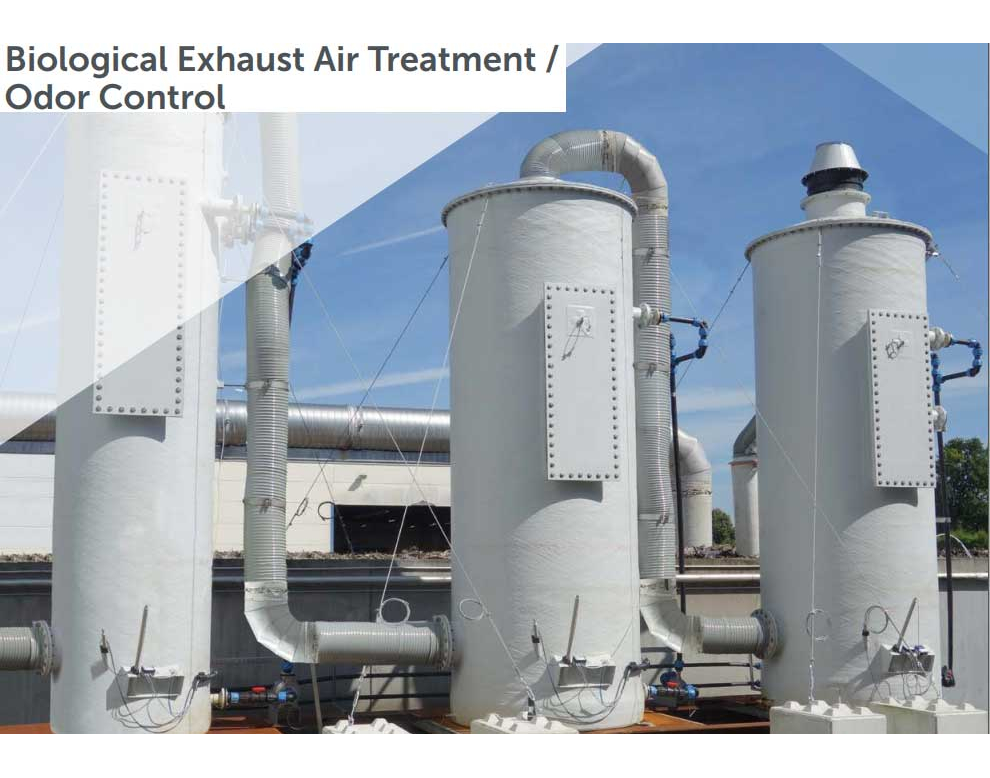
Biological Exhaust Air Treatment / Odor Control
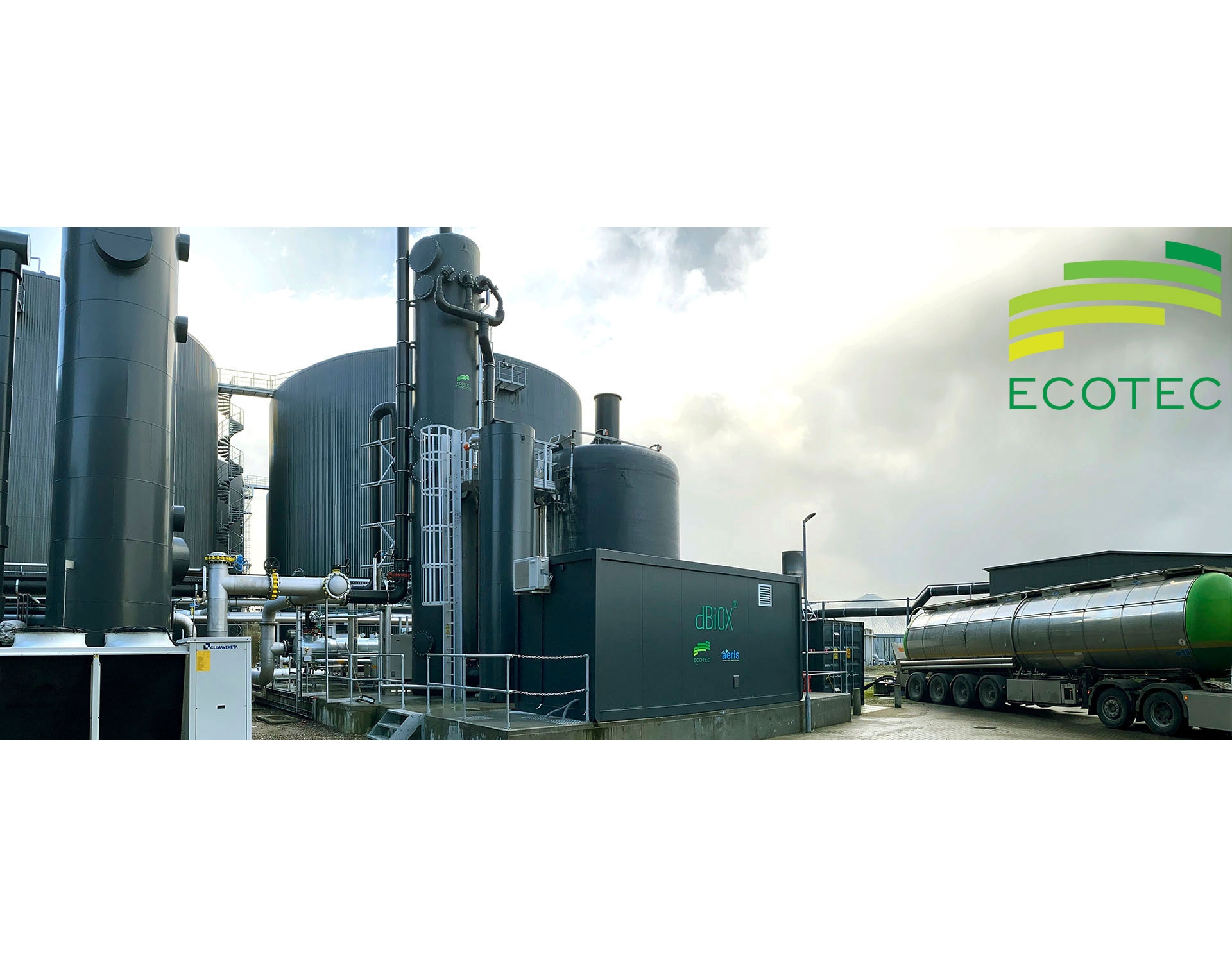
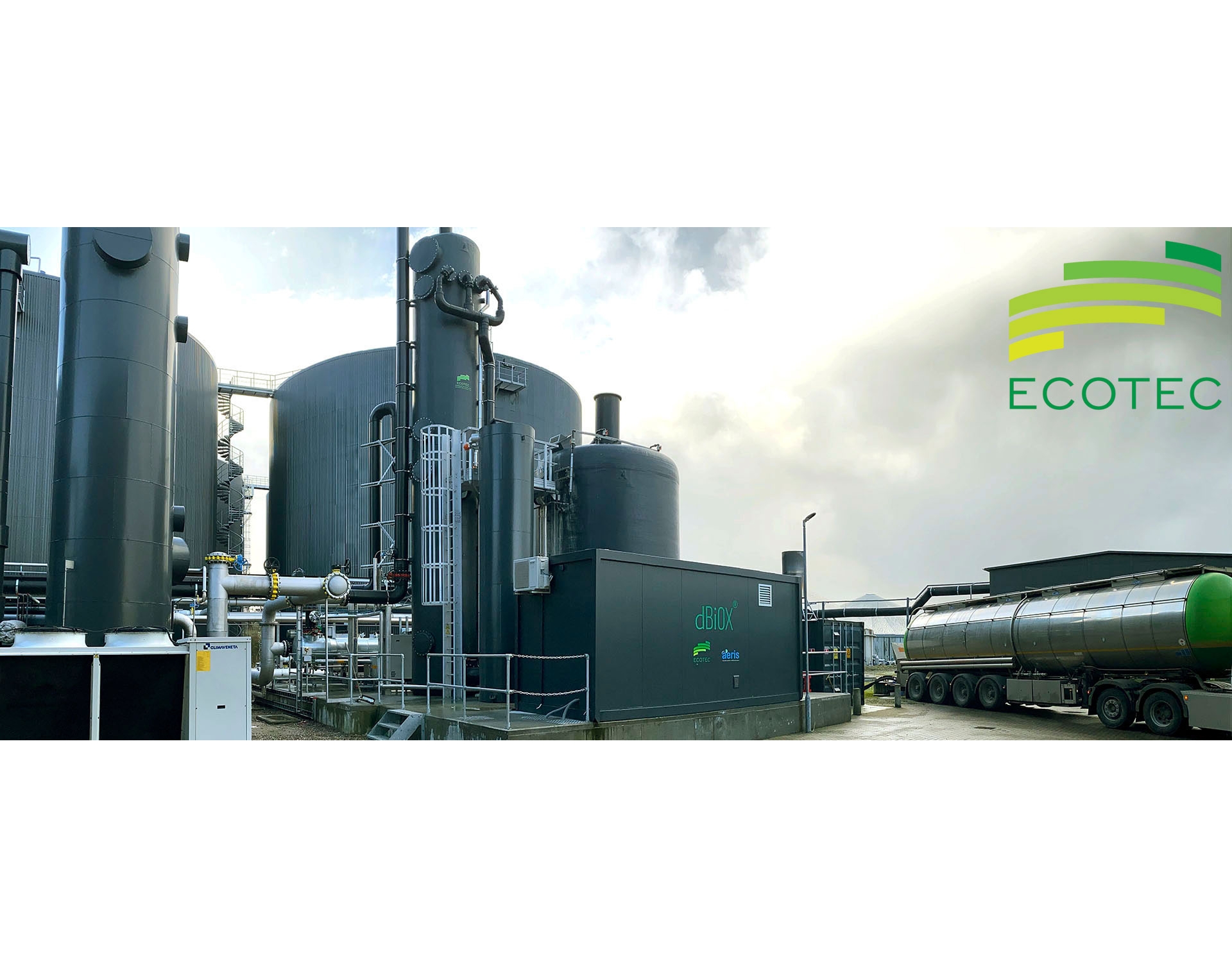
Biotrickling dBiox® & Bioscrubber dBiox®
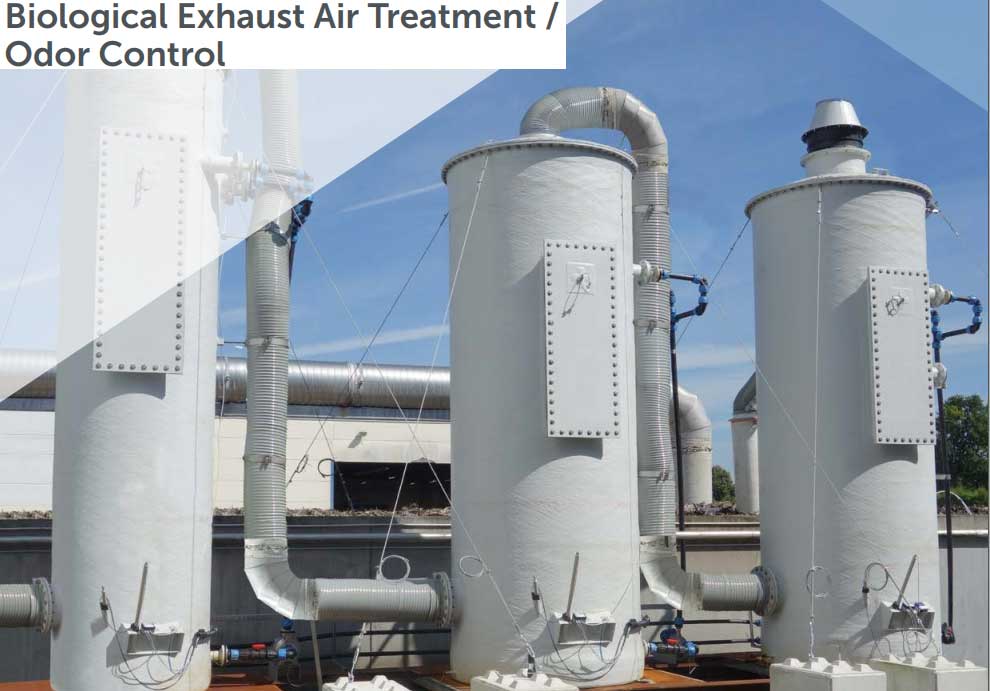
Xuất xứ: ECOTEC - Spain
Download: Brochue Công Nghệ Xử Lý Khí Thải ECOTEC
Download: Công nghệ lọc xử lý khí thải Biotrickling dBiox _ ECOTEC
Download: Công nghệ lọc xử lý khí thải Bioscrubber dBiox _ ECOTEC
Công ty Môi Trường Hành Trình Xanh hân hạnh là nhà nhập khẩu và phân phối Công nghệ BIOFILTER Xử Lý Mùi Hôi Nước Thải tại Việt Nam. Chúng tôi cam kết cung cấp sản phẩm và dịch vụ tốt nhất tới Quý Khách hàng.
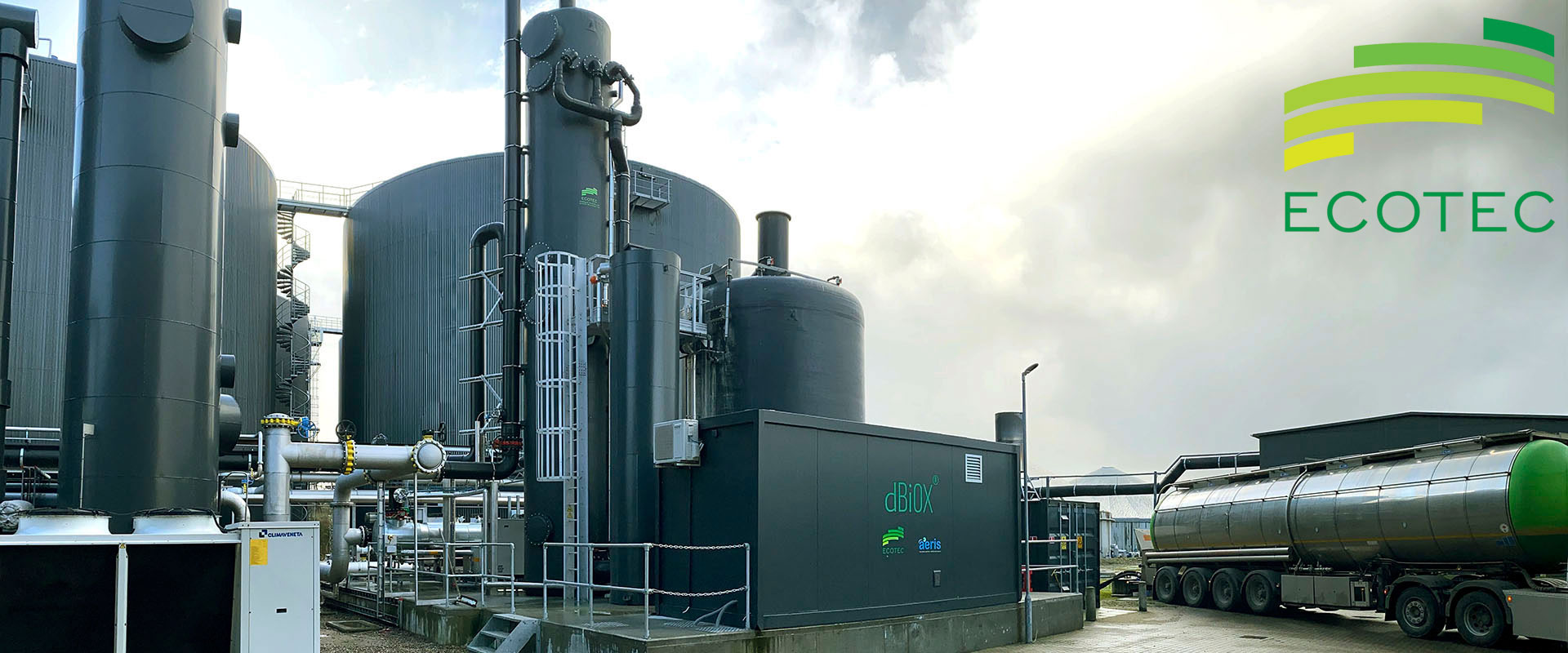
1. Odor emissions treatment systems / Hệ thống Xử Lý Mùi Hôi Trong Khí Thải bằng Công nghệ BIOFILTER
We supply systems for the control, reduction, and elimination of odor emissions from different sources, such as industrial processes, wastewater treatment plants, farms, etc. / Chúng tôi cung cấp các hệ thống kiểm soát, giảm thiểu và loại bỏ khí thải mùi từ nhiều nguồn khác nhau như quy trình công nghiệp, nhà máy xử lý nước thải, trang trại chăn nuôi, v.v.
We design and supply customized systems that adapt to the specific needs and objectives of each case, always complying with the most demanding environmental standards. / Chúng tôi thiết kế và cung cấp các hệ thống tùy chỉnh, phù hợp với nhu cầu và mục tiêu cụ thể của từng trường hợp, luôn tuân thủ các tiêu chuẩn môi trường khắt khe nhất.
Odor emissions are releases of volatile chemical compounds into the air that produce odors detectable by the human sense of smell. These odors can come from a variety of sources, such as industrial processes, wastewater treatment plants, waste handling facilities, chemical plants, animal farms, and more. The presence of odor emissions can cause discomfort and air quality issues for people living or working near these sources. / Khí thải mùi là sự phát tán các hợp chất hóa học dễ bay hơi vào không khí, tạo ra mùi có thể cảm nhận được bằng khứu giác của con người. Những mùi này có thể xuất phát từ nhiều nguồn khác nhau, chẳng hạn như: quy trình công nghiệp, nhà máy xử lý nước thải, cơ sở xử lý chất thải, nhà máy hóa chất, trang trại chăn nuôi, và nhiều nguồn khác. Sự hiện diện của khí thải mùi có thể gây khó chịu và ảnh hưởng đến chất lượng không khí cho những người sống hoặc làm việc gần đó.
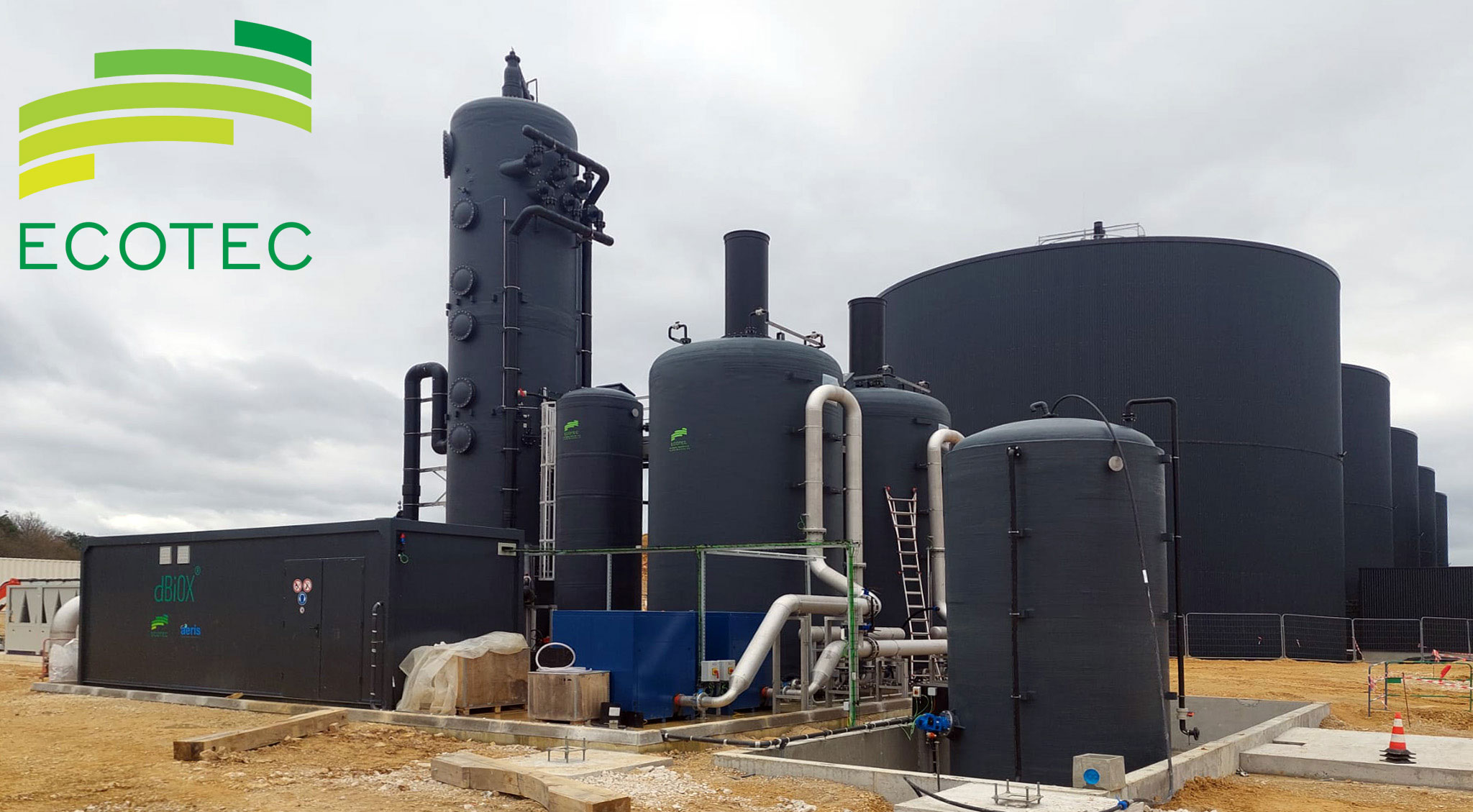
Systems for the treatment and reduction of odor emissions / Chúng tôi thiết kế và cung cấp các hệ thống xử lý và kiểm soát khí thải mùi.
We design and supply systems for the treatment and control of odor emissions. To ensure that we always provide our clients with the most cost-effective solution, we supply the best available technologies for the removal or reduction of odors generated in industrial processes, wastewater treatment plants, farms, landfills, and other sources of odor pollution. / Để đảm bảo luôn mang đến cho khách hàng giải pháp tối ưu về chi phí, chúng tôi cung cấp các công nghệ tiên tiến nhất trong việc loại bỏ hoặc giảm thiểu mùi phát sinh từ các quy trình công nghiệp, nhà máy xử lý nước thải, trang trại chăn nuôi, bãi rác, và các nguồn gây ô nhiễm mùi khác.
Biofilters and bioscrubbers have different applications, such as VOC treatment, inorganic compounds treatment or odor reduction. / Bộ lọc sinh học (Biofilters) và tháp rửa sinh học (Bioscrubbers) có các ứng dụng khác nhau, chẳng hạn như xử lý hợp chất hữu cơ dễ bay hơi (VOC), xử lý hợp chất vô cơ hoặc giảm thiểu mùi.
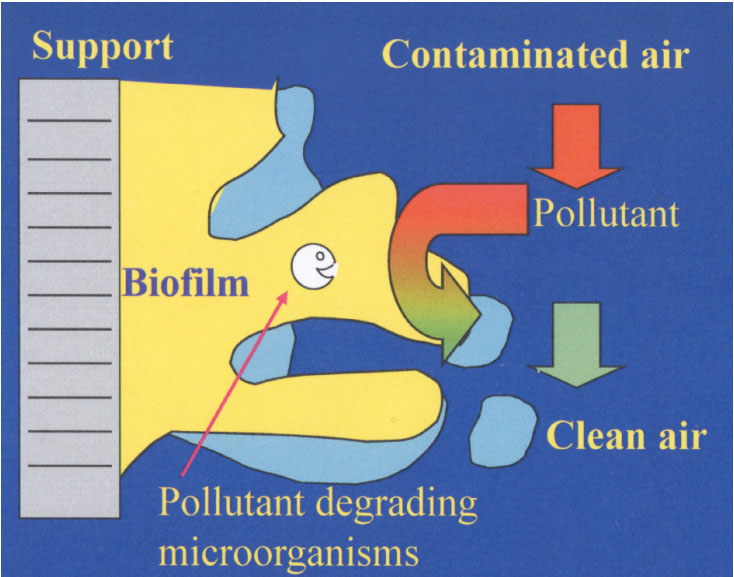
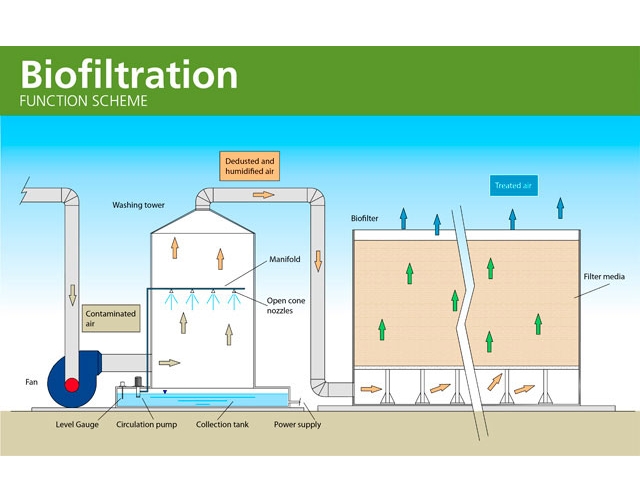
Biofiltration is a biological process used for the treatment of volatile organic and inorganic compounds. Biofiltration application uses microorganisms that subject contaminants contained in air to biological degradation. / Lọc sinh học (Biofiltration) là một quá trình sinh học được sử dụng để xử lý các hợp chất hữu cơ dễ bay hơi và các hợp chất vô cơ. Ứng dụng của lọc sinh học sử dụng vi sinh vật để phân hủy sinh học các chất ô nhiễm có trong không khí.
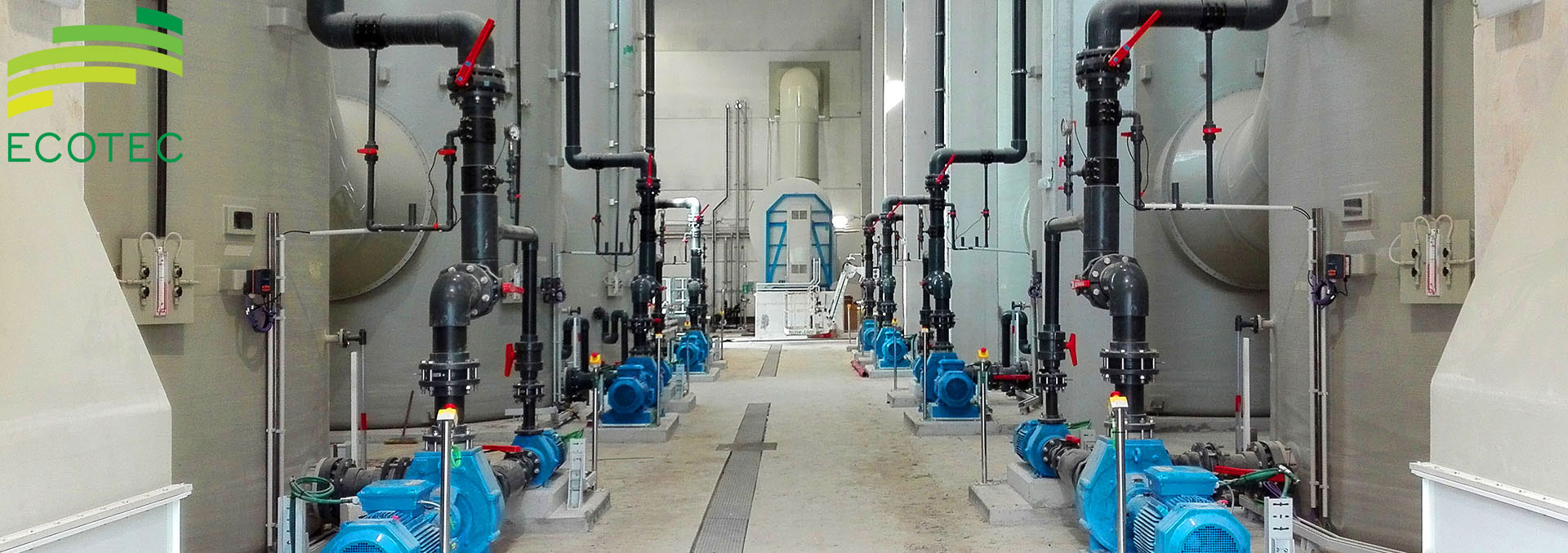
During an air treatment process by biofiltration, polluted air passes through the macropores of the filter material. At this time the contaminants degrade in order to be subsequently transferred to a liquid medium where they are used as carbon and energy sources (organic compounds) or as a source of energy (inorganic compounds). / Trong quá trình xử lý không khí bằng lọc sinh học, không khí ô nhiễm đi qua các mao quản lớn của vật liệu lọc. Tại đây, các chất ô nhiễm bị phân hủy, sau đó được chuyển sang môi trường lỏng, nơi chúng được sử dụng làm nguồn carbon và năng lượng (đối với hợp chất hữu cơ) hoặc làm nguồn năng lượng (đối với hợp chất vô cơ).
Use of biofiltration implies the production of biomass and the partial or total oxidation of the contaminant. In turn, biomass, under certain conditions, undergoes oxidation by endogenous respiration. Thus, biofiltration processes result in a complete decomposition of the contaminants, creating non-hazardous products. / Việc sử dụng lọc sinh học kéo theo sự hình thành sinh khối (biomass) và quá trình oxy hóa một phần hoặc toàn bộ chất ô nhiễm. Đồng thời, sinh khối này, trong những điều kiện nhất định, cũng bị oxy hóa thông qua quá trình hô hấp nội sinh. Như vậy, các quá trình lọc sinh học dẫn đến sự phân hủy hoàn toàn các chất ô nhiễm, tạo ra các sản phẩm không nguy hại.
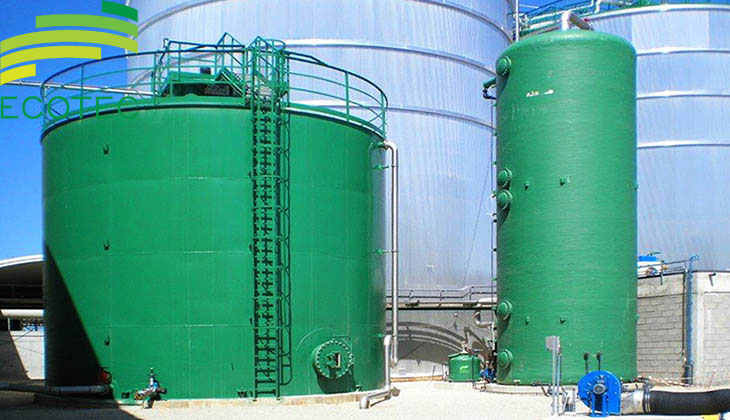
2. How do biotrickling filters and bioscrubbers differ? / Sự khác nhau giữa bộ lọc sinh học nhỏ giọt (biotrickling filters) và tháp rửa sinh học (bioscrubbers)?
Biological odor and emission treatment systems have seen growing favor among industrial facility managers in search of a clean, sustainable and potentially cheaper way to treat unpleasant or dangerous air. / Các hệ thống xử lý khí thải và mùi bằng phương pháp sinh học ngày càng được các nhà quản lý cơ sở công nghiệp ưa chuộng, bởi chúng sạch, bền vững và tiềm năng tiết kiệm chi phí hơn trong việc xử lý không khí có mùi khó chịu hoặc độc hại.
These systems have clear advantages: Bacteria and other microorganisms are used in the breakdown of offending compounds instead of absorbing them with activated carbon (which requires constant replacement) or chemicals (which are costly and often dangerous). The bacteria and microorganisms inside biotrickling filters and bioscrubbers do not need to be replaced. / Ưu điểm rõ rệt của những hệ thống này là: sử dụng vi khuẩn và vi sinh vật để phân hủy các hợp chất gây mùi thay vì hấp phụ bằng than hoạt tính (phải thay thế thường xuyên) hoặc dùng hóa chất (tốn kém và nguy hiểm). Vi khuẩn và vi sinh vật trong bộ lọc sinh học nhỏ giọt và tháp rửa sinh học không cần thay thế.
Similarities between biotrickling filters and bioscrubbers abound, but the subtle difference between the two has major performance implications. / Mặc dù có nhiều điểm tương đồng, nhưng sự khác biệt tinh tế giữa hai công nghệ này lại có ảnh hưởng lớn đến hiệu quả vận hành.
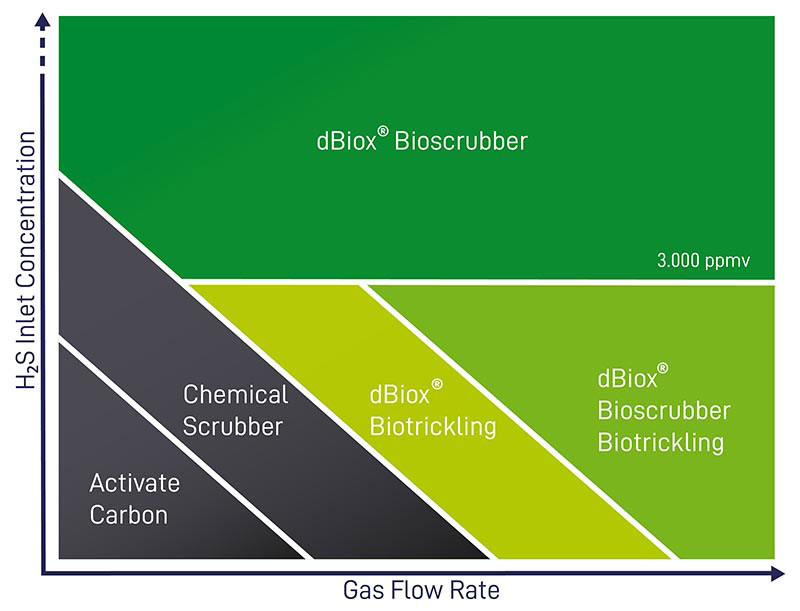
2.1 Bioscrubbers dBiox® / Bioscrubbers (Tháp rửa sinh học)
These odor and emission treatment systems rely on microorganisms present in the water that’s recirculated through the treatment vessel. Foul air is forced upward through the bottom of the vessel. On its way up, it’s dispersed through synthetic media and contacts the water laden with microorganisms. / Các hệ thống này dựa vào vi sinh vật có trong nước được tuần hoàn qua tháp xử lý. Không khí ô nhiễm được dẫn từ dưới đáy tháp lên. Trên đường đi lên, không khí tiếp xúc với lớp vật liệu tổng hợp và nước chứa vi sinh vật.
The microorganisms metabolize the offending compounds, leaving clean air to be released from the vessel. / Các vi sinh vật sẽ chuyển hóa các hợp chất gây mùi, để lại luồng không khí sạch thải ra ngoài.
Water recirculation is the key feature of bioscrubbers. The water retains all the metabolized compounds removed from the air, increasing its acidity. While that acidity supports the growth of some microorganisms, not all types can thrive in the acidic environment. / Điểm nổi bật của bioscrubbers là quá trình tuần hoàn nước. Nước giữ lại các hợp chất đã được chuyển hóa từ không khí, khiến độ axit tăng lên. Độ axit này có thể phù hợp cho sự phát triển của một số loại vi sinh vật, nhưng không phải tất cả.
As opposed to biotrickling filters or conventional biofilters, bioscrubbers have 2 differenciated reactors with a liquid phase in continuous recirculation in between. / Khác với biotrickling filter hay biofilter truyền thống, bioscrubber có hai buồng phản ứng riêng biệt, được kết nối bởi một pha lỏng tuần hoàn liên tục.
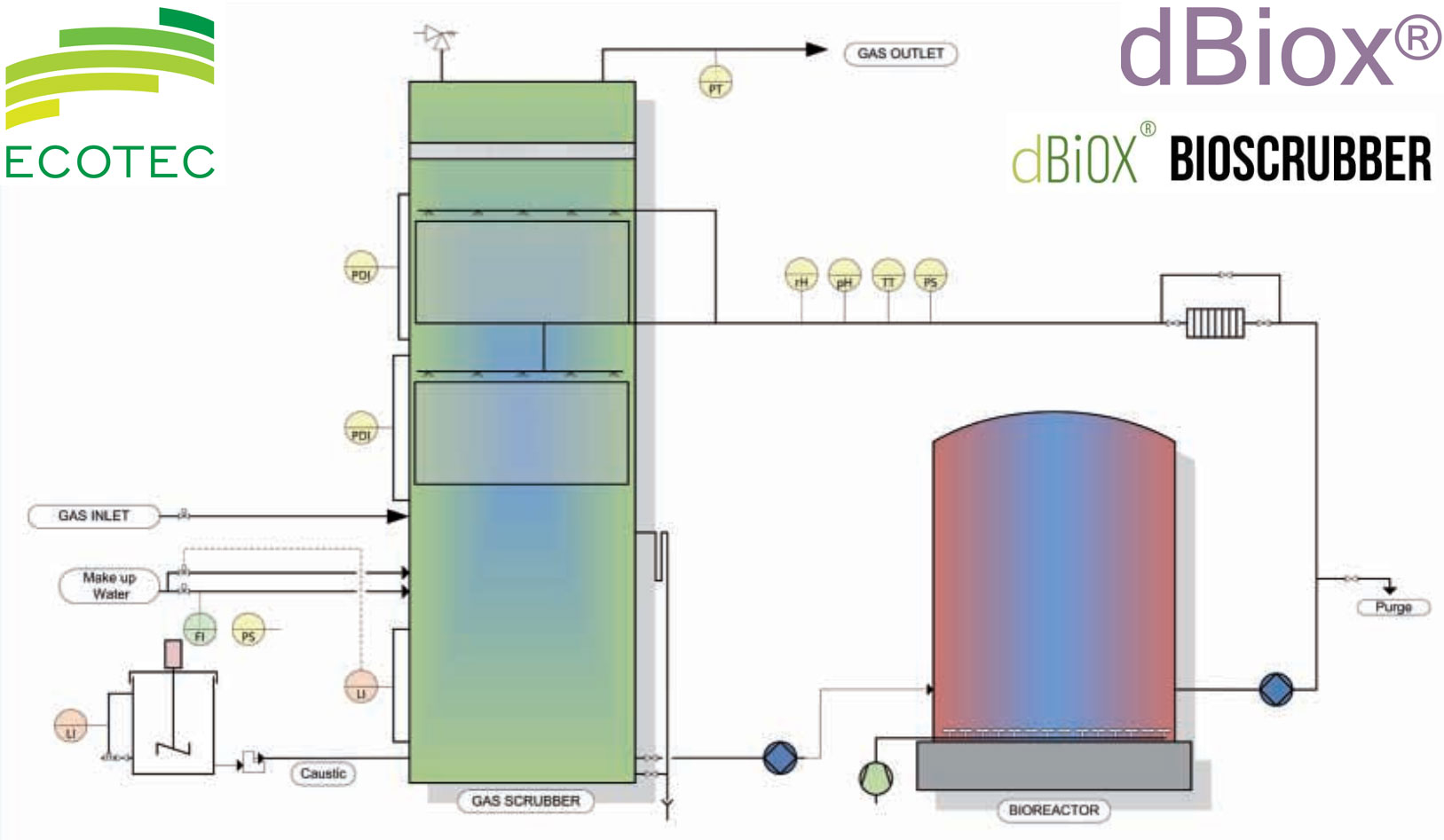
- First stage is a scrubber where the targeted pollutant is dissolved into liquid phase. / Giai đoạn 1: Buồng scrubber, nơi chất ô nhiễm mục tiêu được hấp thụ và hòa tan vào pha lỏng.
- Afterwards, the liquid now enriched with the pollutant is transferred into the second stage, a bioreactor in liquid phase where the biological oxidation of the compounds takes place, so that the liquid returned to the scrubber is regenerated. / Giai đoạn 2: Pha lỏng đã chứa chất ô nhiễm được dẫn vào bioreactor (bể sinh học pha lỏng), nơi diễn ra quá trình oxy hóa sinh học, giúp tái sinh dung dịch trước khi quay trở lại buồng scrubber.
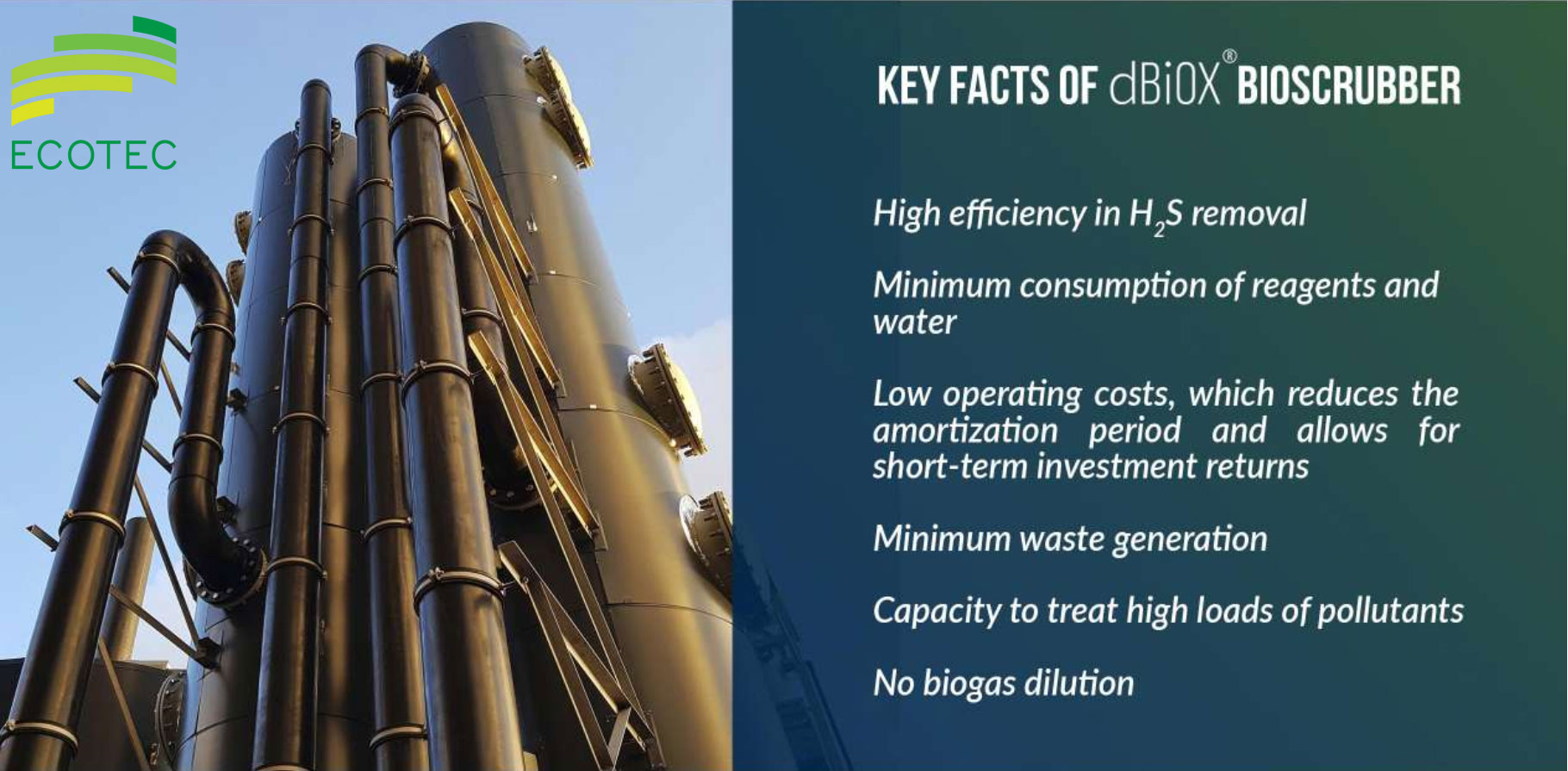
This system allows for the efficient and economical removal of H2S from biogas at concentrations in the range of the tens of thousands of ppmv and gas flow rates of thousands of m3 / h. / Hệ thống này cho phép loại bỏ H₂S trong khí sinh học một cách hiệu quả và kinh tế, ngay cả khi nồng độ lên đến hàng chục nghìn ppmv và lưu lượng khí đạt đến hàng nghìn m³/h.
Bioscrubber comprises a two-stage biological system that allows for the immediate reactive sorption of pollutants in an alkaline medium, obtaining transfer efficiencies higher than 99% and leading to the emission of non-diluted, H2S-free biogas. / Bioscrubber là một hệ thống sinh học hai giai đoạn, cho phép hấp phụ phản ứng ngay lập tức các chất ô nhiễm trong môi trường kiềm, đạt hiệu suất truyền khối trên 99%, tạo ra khí sinh học không pha loãng, hoàn toàn không chứa H₂S.
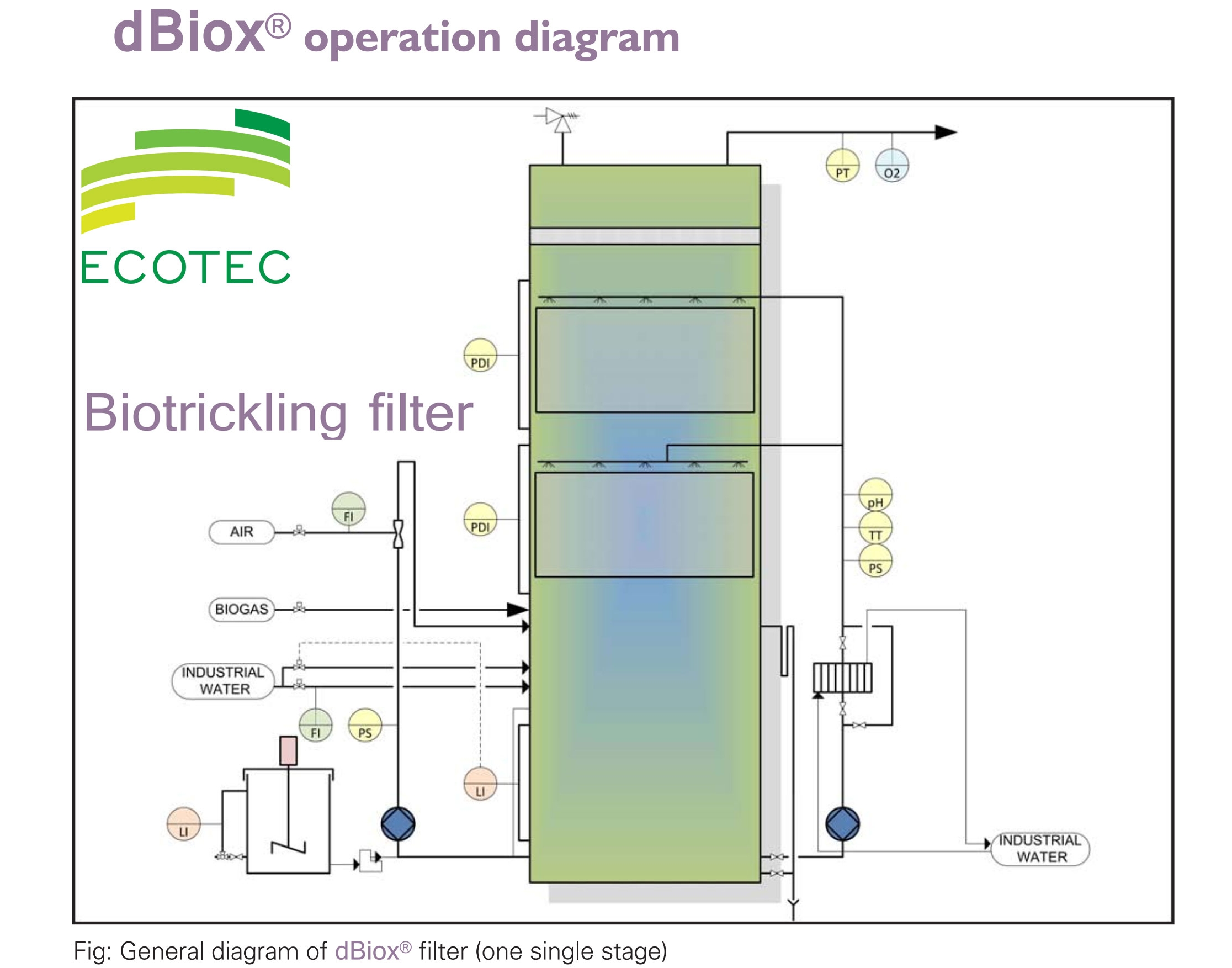
In order to promote optimal performance of the microorganisms, the equipment comprises an advanced air control dosing system, as well as temperature, redox potential, pH and nutrient content control devices. Subsequently, this regenerated water is recycled back to the chemical scrubber. / Để tối ưu hóa hoạt động của vi sinh vật, thiết bị được trang bị hệ thống cấp khí điều khiển tiên tiến, cùng với các thiết bị kiểm soát nhiệt độ, thế oxy hóa khử (redox), pH và hàm lượng dinh dưỡng. Nước đã tái sinh sau đó được tuần hoàn trở lại scrubber.
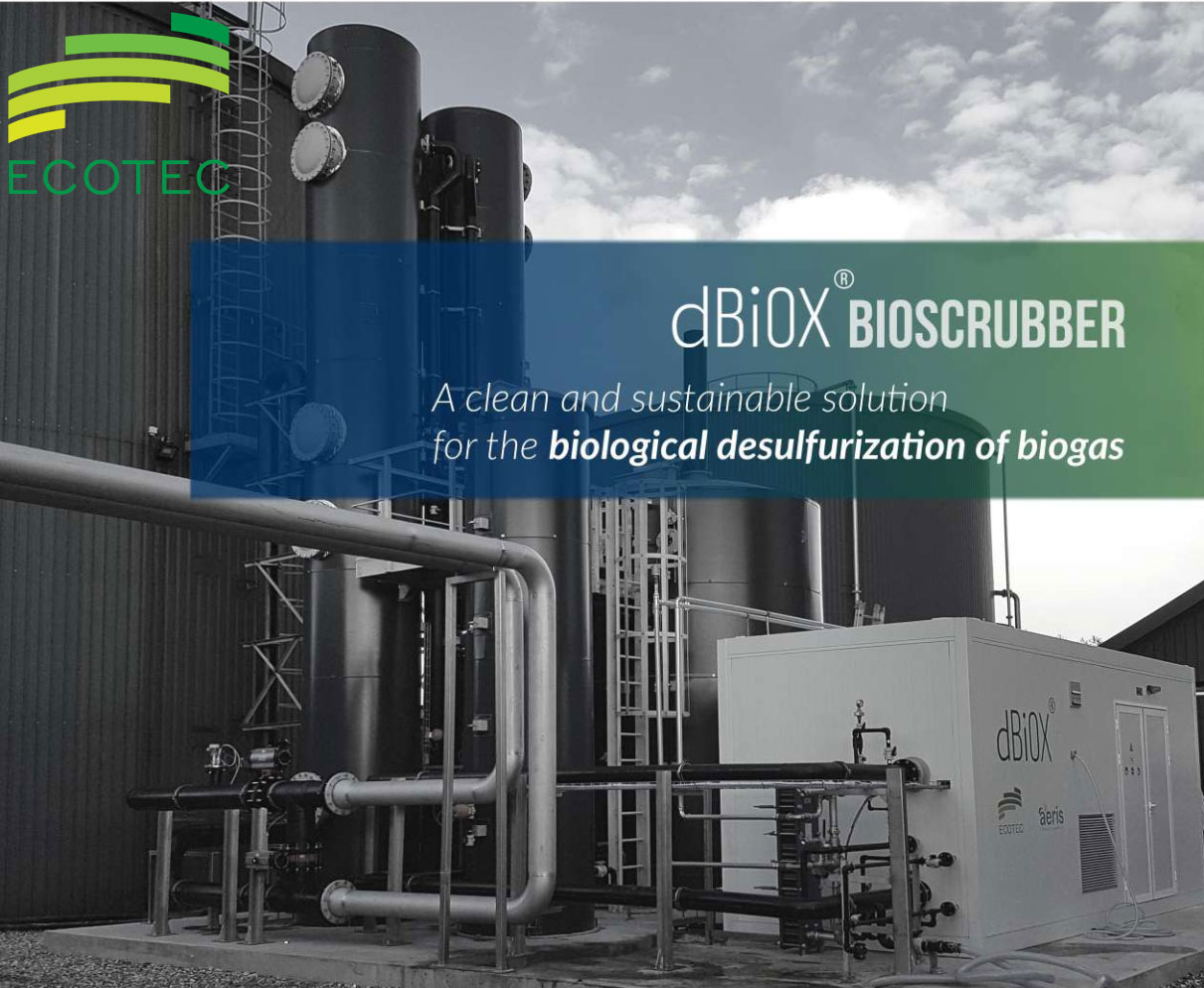
The consumption of reagents and water in this biological system is minimal, which reduces operating costs significantly compared to alternative technology. / Tiêu thụ hóa chất và nước trong hệ thống sinh học này là rất thấp, giúp giảm đáng kể chi phí vận hành so với các công nghệ thay thế.
A small flow of acidified liquid effluent is generated by using this process and it has applications in different industrial sectors without the need for additional expensive treatment. All operating parameters are continuously recorded and stored, which ensures that the installation is monitored effectively. / Một dòng thải lỏng axit hóa nhỏ được tạo ra từ quá trình này, và có thể được ứng dụng trong nhiều ngành công nghiệp mà không cần xử lý bổ sung tốn kém. Tất cả các thông số vận hành đều được ghi nhận và lưu trữ liên tục, đảm bảo hệ thống được giám sát hiệu quả.
2.2 Biotrickling filters dBiox® / Xử lý khí thải bằng Công Nghệ Biotrickling Filters
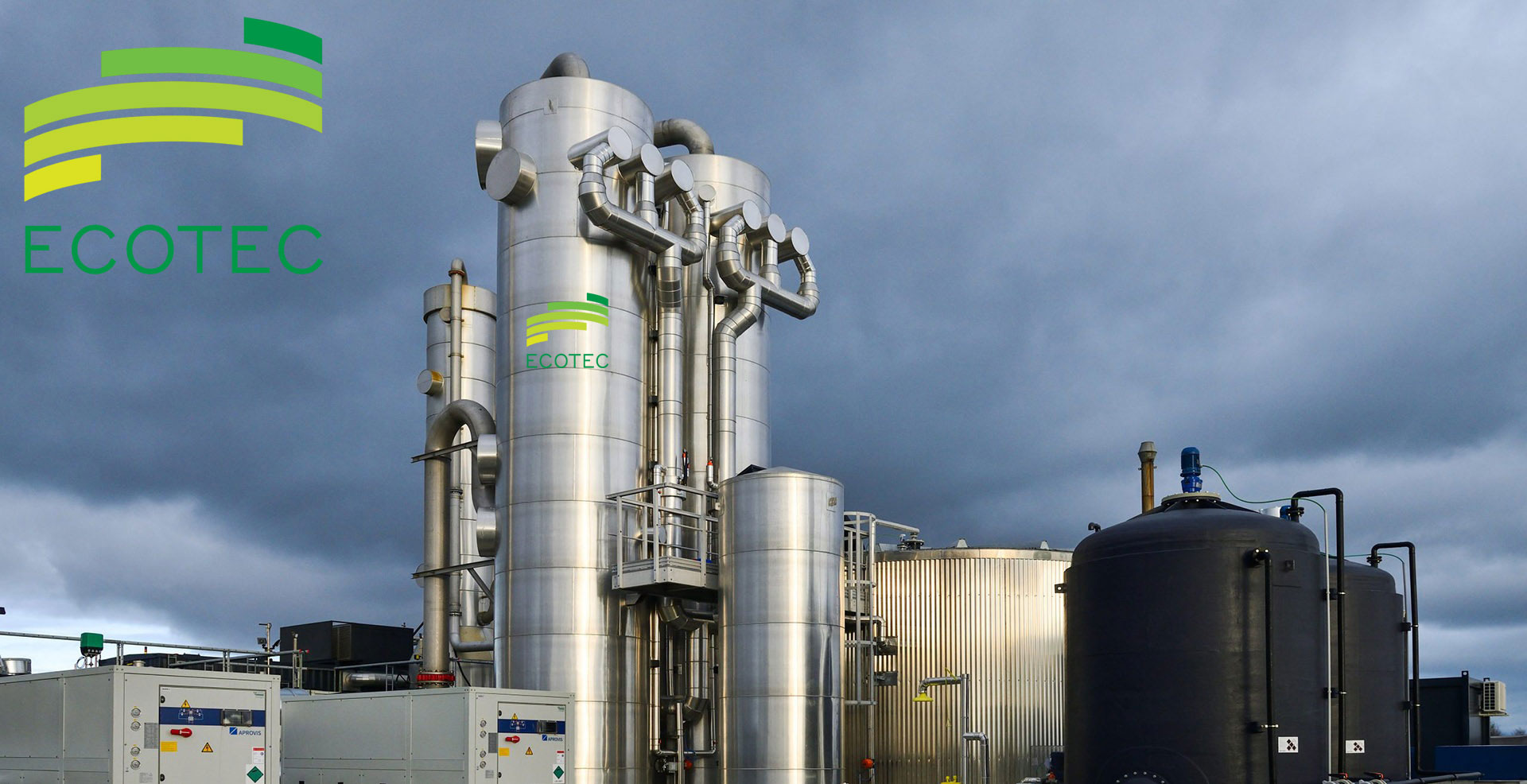
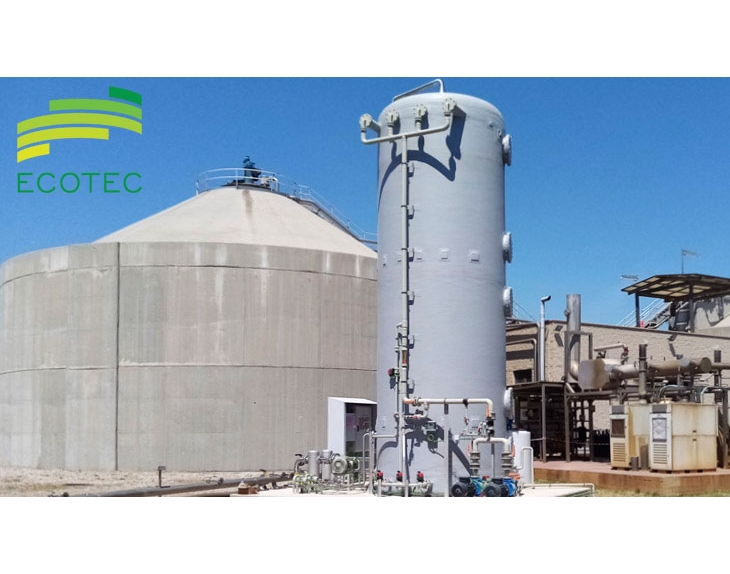
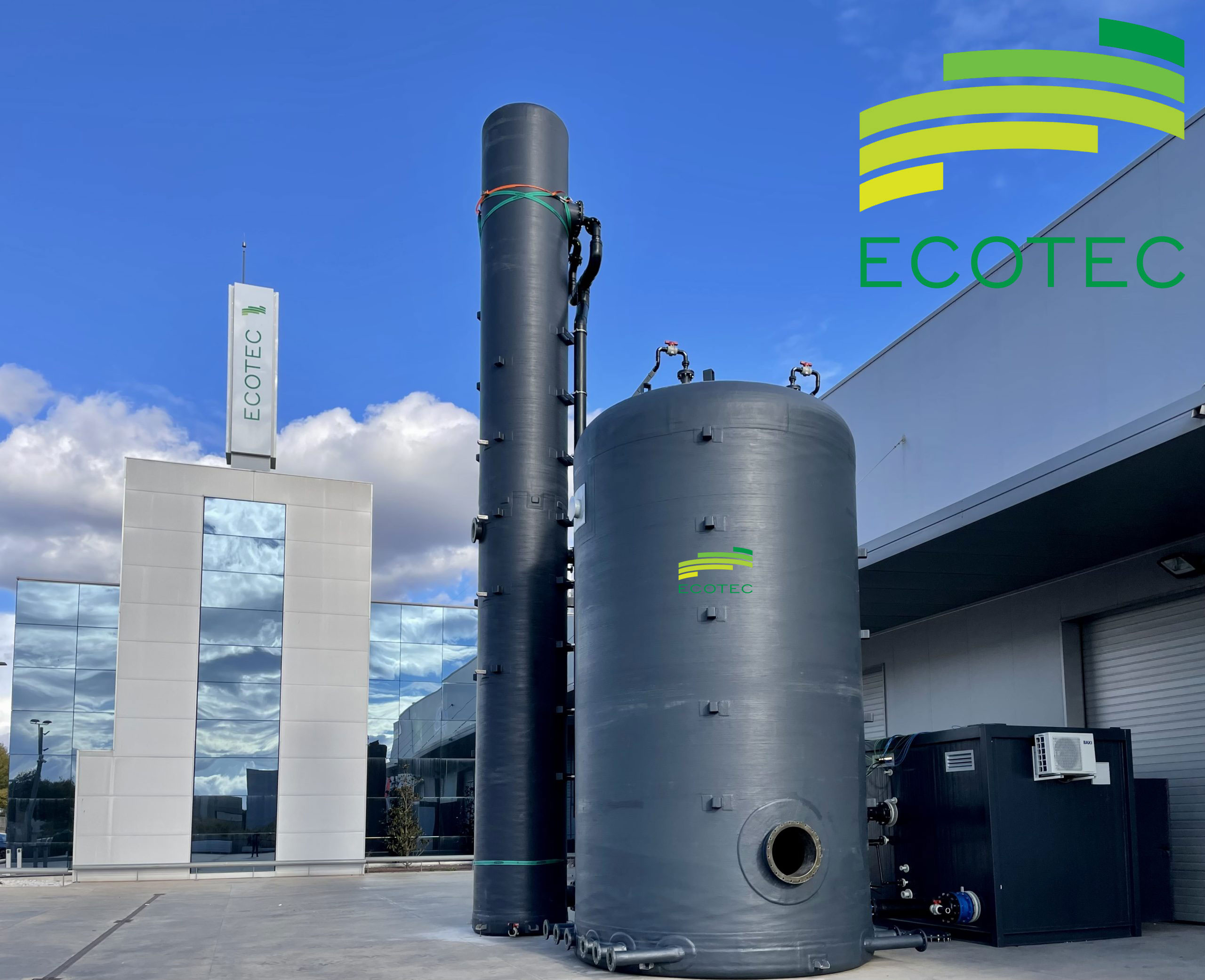
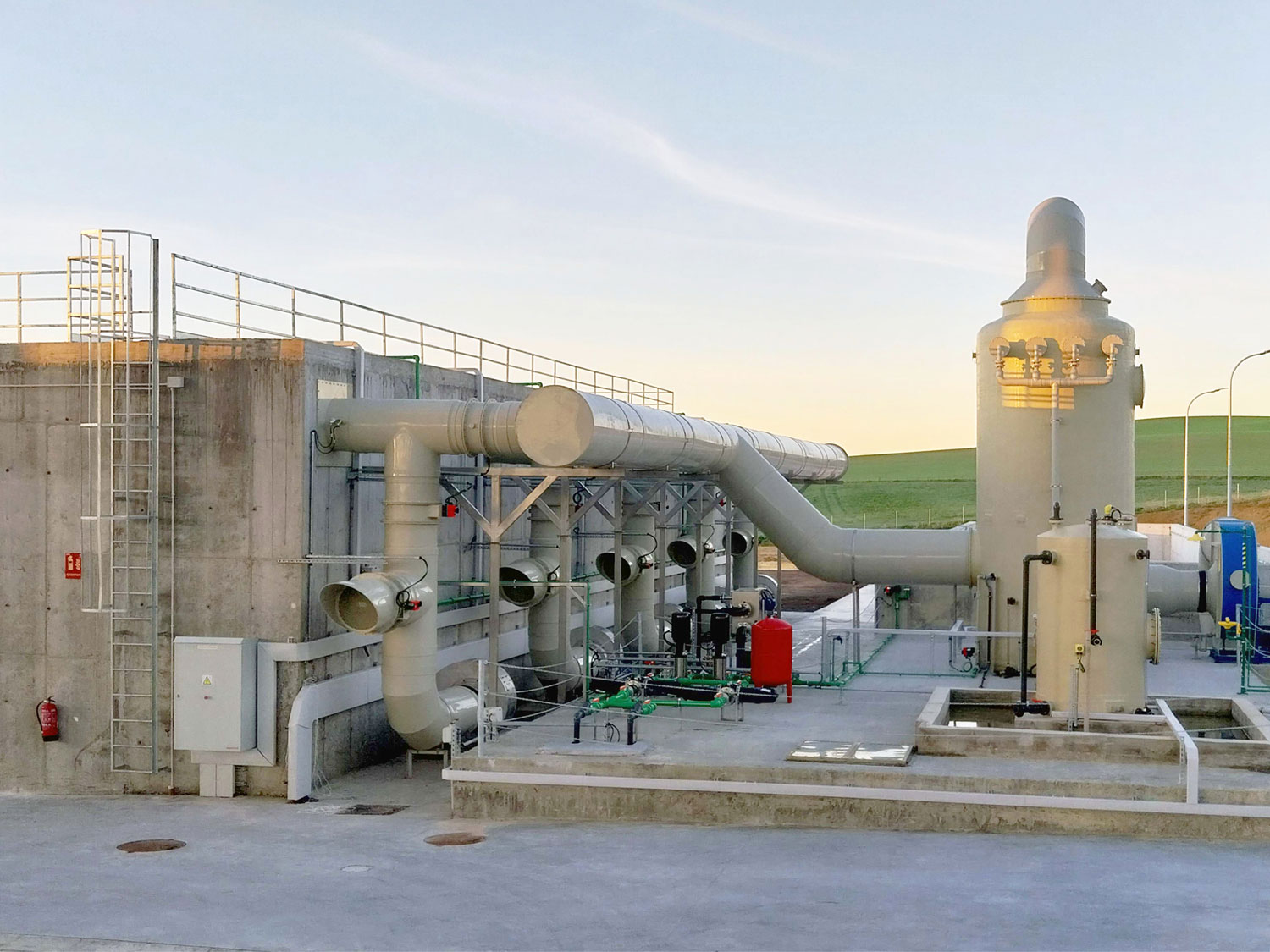
dBiox® Biotrickling is a biological desulphurization system for biogas treatment, suitable to medium and high H2S concentrations and particularly applied for biogas usage on cogeneration engines (CHP), or in Off-Gas of biogas upgrading systems, among others. / dBiox® Biotrickling là hệ thống khử lưu huỳnh sinh học dùng để xử lý khí sinh học, phù hợp với nồng độ H₂S trung bình đến cao và đặc biệt được áp dụng cho việc sử dụng khí sinh học trong các động cơ đồng phát điện - nhiệt (CHP), hoặc trong dòng khí thải (Off-Gas) của các hệ thống nâng cấp khí sinh học, cùng nhiều ứng dụng khác.
Biotrickling technology is based on a biological reactor with a scrubber-like washer (vertical alignment) fitted with extensive and effective inorganic packing which creates the habitat where microorganisms develop. The metabolic process of these microorganisms removes the polluting compounds contained in the gas stream. / Công nghệ Biotrickling dựa trên một bộ phản ứng sinh học với cấu tạo giống tháp rửa khí (dạng đứng), được trang bị lớp đệm vô cơ hiệu quả và diện tích lớn, tạo ra môi trường sống cho vi sinh vật phát triển. Quá trình trao đổi chất của các vi sinh vật này sẽ loại bỏ các hợp chất gây ô nhiễm có trong dòng khí.
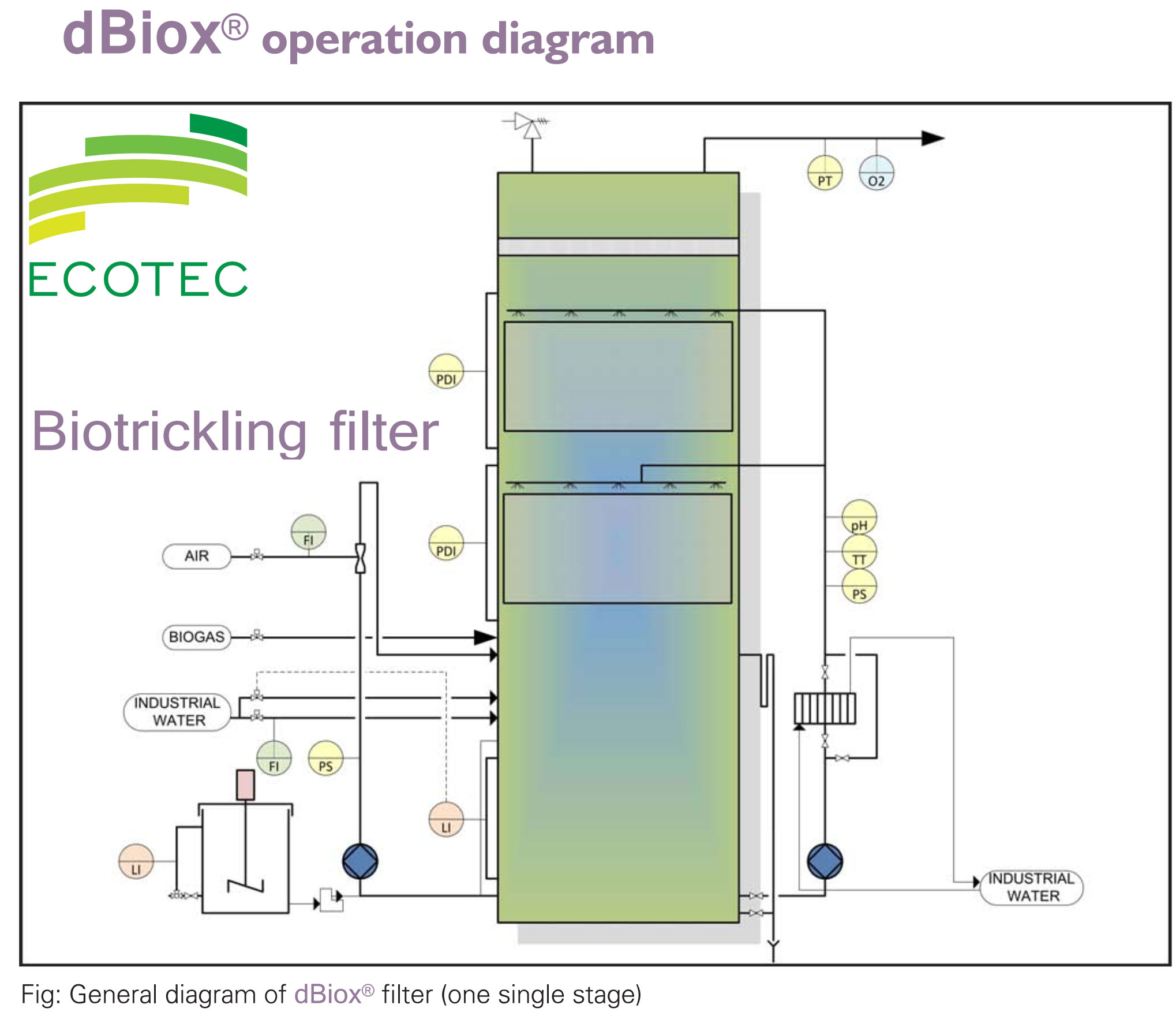
Biotrickling technology does not require chemical reagents, and if it does, it requires minimal quantities which reduces operating costs and eliminates the generation of toxic effluent, which would require further treatment. / Công nghệ Biotrickling không yêu cầu sử dụng hóa chất, hoặc nếu có thì chỉ cần một lượng rất nhỏ, giúp giảm chi phí vận hành và loại bỏ việc tạo ra dòng thải độc hại cần xử lý tiếp theo.
A biotrickling filter can treat H2S concentrations up to 10.000 ppm. It can be used in applications in which conventional systems are not viable due to high operating costs. / Một bộ lọc Biotrickling có thể xử lý nồng độ H₂S lên đến 10.000 ppm. Nó có thể được ứng dụng trong các trường hợp mà hệ thống truyền thống không khả thi do chi phí vận hành quá cao.
ECOTEC has introduced a series of improvements on this systems aimed to optimize equipment sizing, which allows to reduce the initial investment costs (CAPEX), and operating costs (OPEX) of system, presenting a more efficient and competitive solution. / ECOTEC đã giới thiệu một loạt cải tiến trong hệ thống này nhằm tối ưu hóa kích thước thiết bị, cho phép giảm chi phí đầu tư ban đầu (CAPEX) và chi phí vận hành (OPEX) của hệ thống, mang đến một giải pháp hiệu quả và cạnh tranh hơn.
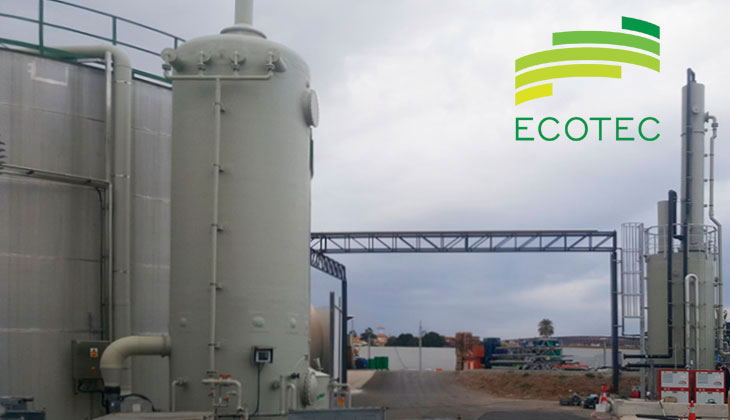
These systems work similarly in that they use microorganisms, media and water. Odorous or polluted air is collected and forced up through structured media within the vessel. But in biotrickling filters, the microorganisms grow within the media. / Hệ thống này cũng sử dụng vi sinh vật, vật liệu đệm và nước. Không khí ô nhiễm được thu gom và dẫn từ dưới lên qua lớp vật liệu đệm trong tháp. Tuy nhiên, trong biotrickling filters, vi sinh vật phát triển ngay trên lớp vật liệu đệm.
The key differentiator of biotrickling filters is that they do not recirculate water. The water used in these systems passes through only once, and acts mainly as a rinse to drain the metabolized compounds away. And while at first glance this might seem inefficient, biotrickling filters and bioscrubbers actually use identical amounts of water to treat identical airflows. / Điểm khác biệt chính là: biotrickling filters không tuần hoàn nước. Nước chỉ đi qua một lần và chủ yếu đóng vai trò rửa trôi các hợp chất đã được chuyển hóa. Thoạt nhìn có vẻ kém hiệu quả, nhưng thực tế biotrickling filters và bioscrubbers tiêu thụ lượng nước giống nhau khi xử lý cùng một lưu lượng khí.
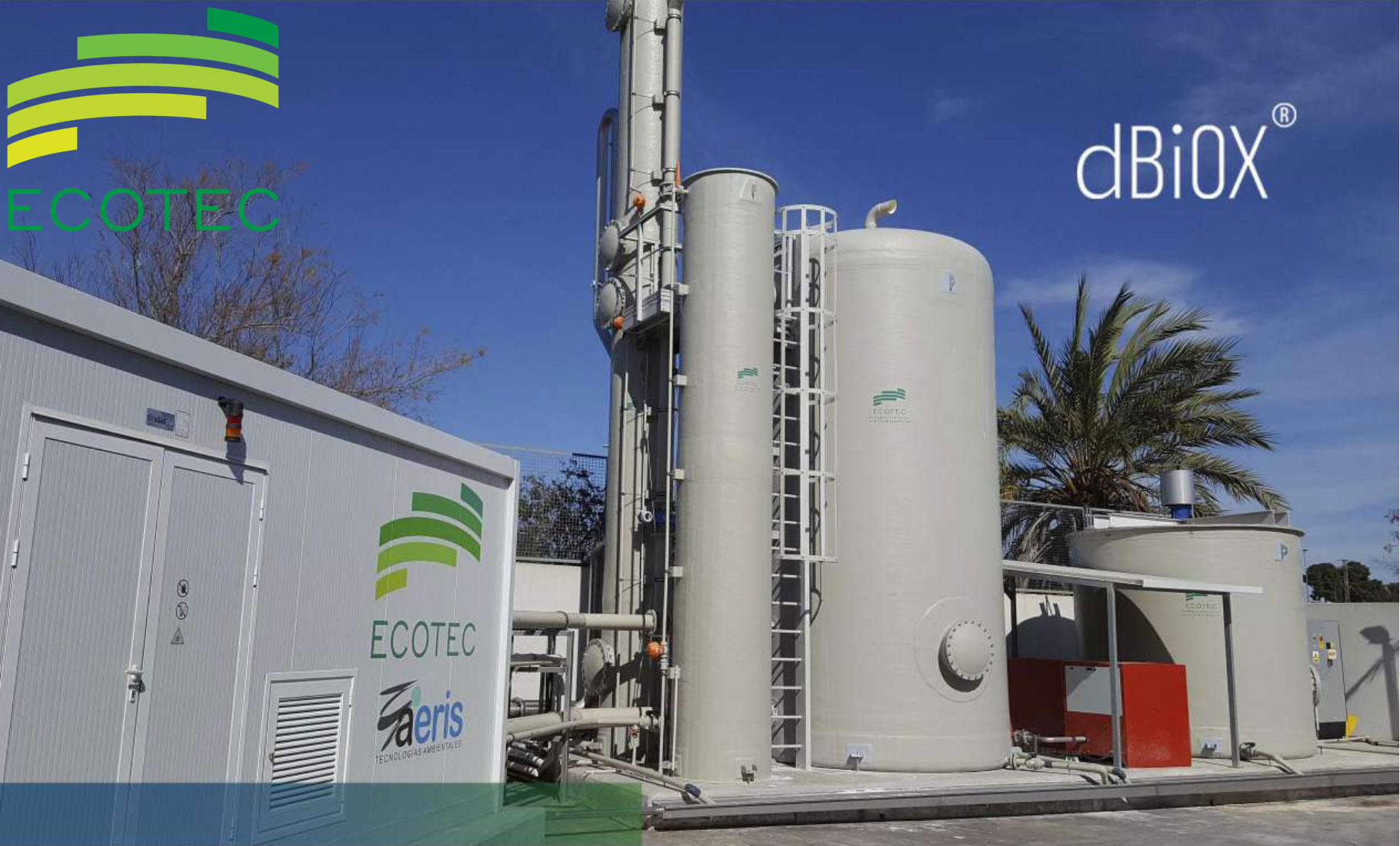
Research has shown that biotrickling filters support a greater diversity of bacteria. As impacted air is forced upward through the vessel, it encounters different types of microorganisms. That diversity has been shown to eliminate more, and more kinds, of the compounds produced in industrial processes. This is why biotrickling filters can remove a host of compounds —such as H2S, NH3, volatile fatty acids, organic odors and select VOCs— with great efficiency. / Các nghiên cứu cho thấy biotrickling filters hỗ trợ sự đa dạng vi sinh cao hơn. Khi luồng khí đi lên, nó gặp nhiều loại vi sinh vật khác nhau, nhờ đó loại bỏ được nhiều hợp chất hơn, với hiệu quả cao hơn. Vì thế, biotrickling filters có thể xử lý tốt nhiều hợp chất như: H₂S, NH₃, axit béo bay hơi, mùi hữu cơ, và một số VOCs.
In addition to being more effective than bioscrubbers, biotrickling filters also are less expensive, have lower operating costs, and are easier to maintain because they do not include the extra pumps and piping necessary for water recirculation. / Ngoài hiệu quả xử lý vượt trội so với bioscrubbers, biotrickling filters còn rẻ hơn, chi phí vận hành thấp hơn, và dễ bảo trì hơn do không cần thêm bơm và đường ống để tuần hoàn nước.
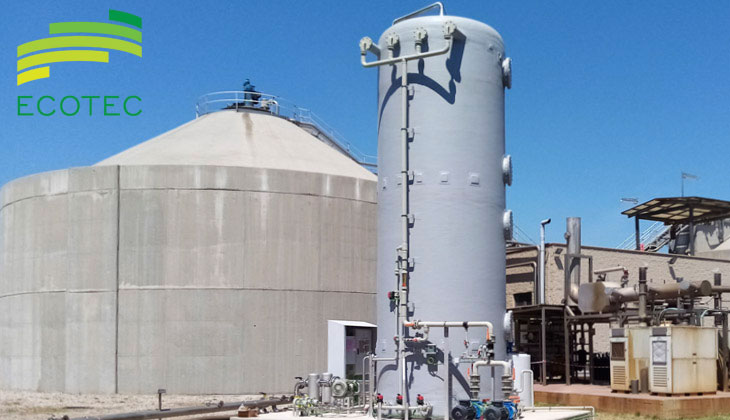
Ecotec often recommends Biotrickling dBiox® filter systems to meet customers’ industrial odor and emission control needs. / Ecotec thường khuyến nghị hệ thống lọc sinh học Biotrickling dBiox® để đáp ứng nhu cầu kiểm soát mùi và khí thải công nghiệp của khách hàng.
These systems feature cutting-edge structured media with engineered flow channels that promote efficient, speedy treatment of odorous air. A partnership with Ecotec means we take on your odor or emission challenges and develop a custom solution that meets your site’s unique needs. / Các hệ thống này sử dụng vật liệu đệm tiên tiến, có các kênh dòng chảy được thiết kế tối ưu để xử lý không khí có mùi hiệu quả và nhanh chóng. Sự hợp tác với Ecotec giúp chúng tôi tiếp nhận các thách thức về mùi và khí thải của bạn, từ đó phát triển giải pháp tùy chỉnh phù hợp với nhu cầu cụ thể tại từng địa điểm.
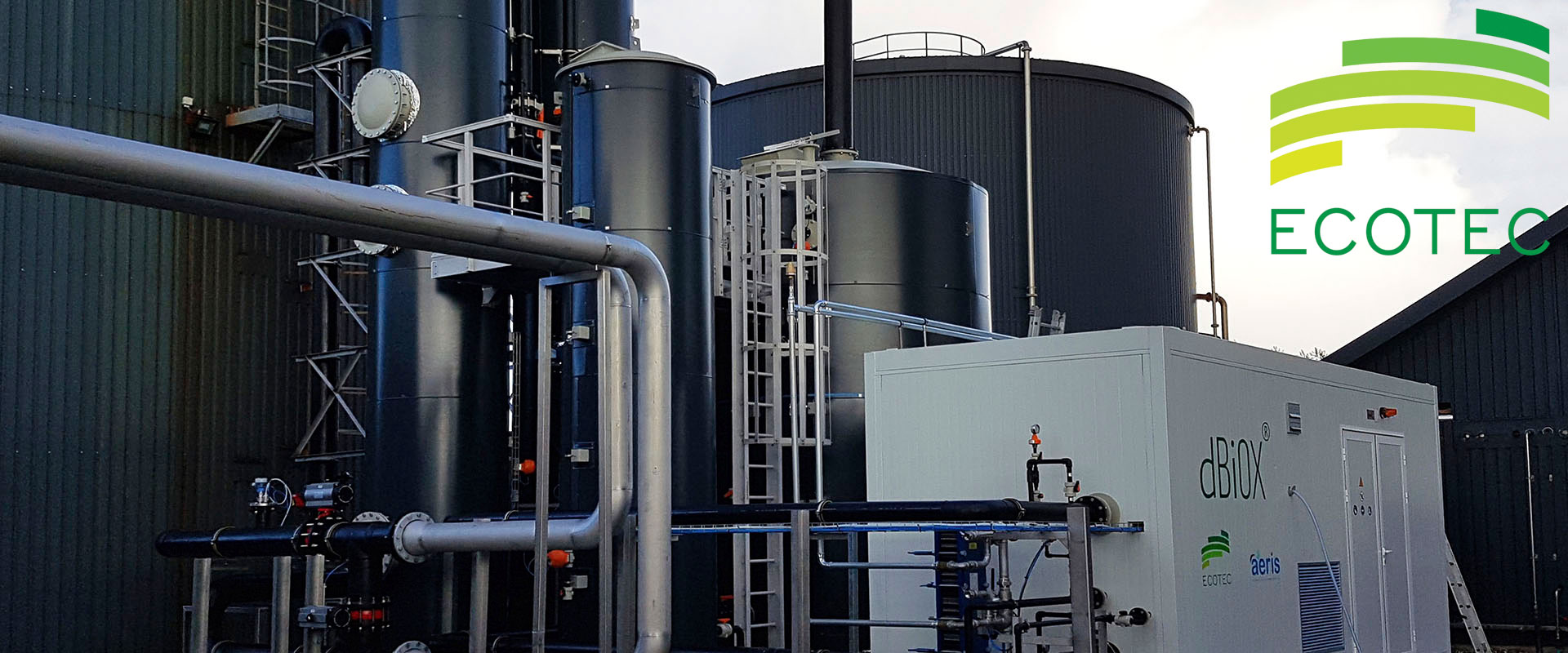
3. BIOFILTERS / Công nghệ xử lý mùi hôi nước thải BIOFILTER
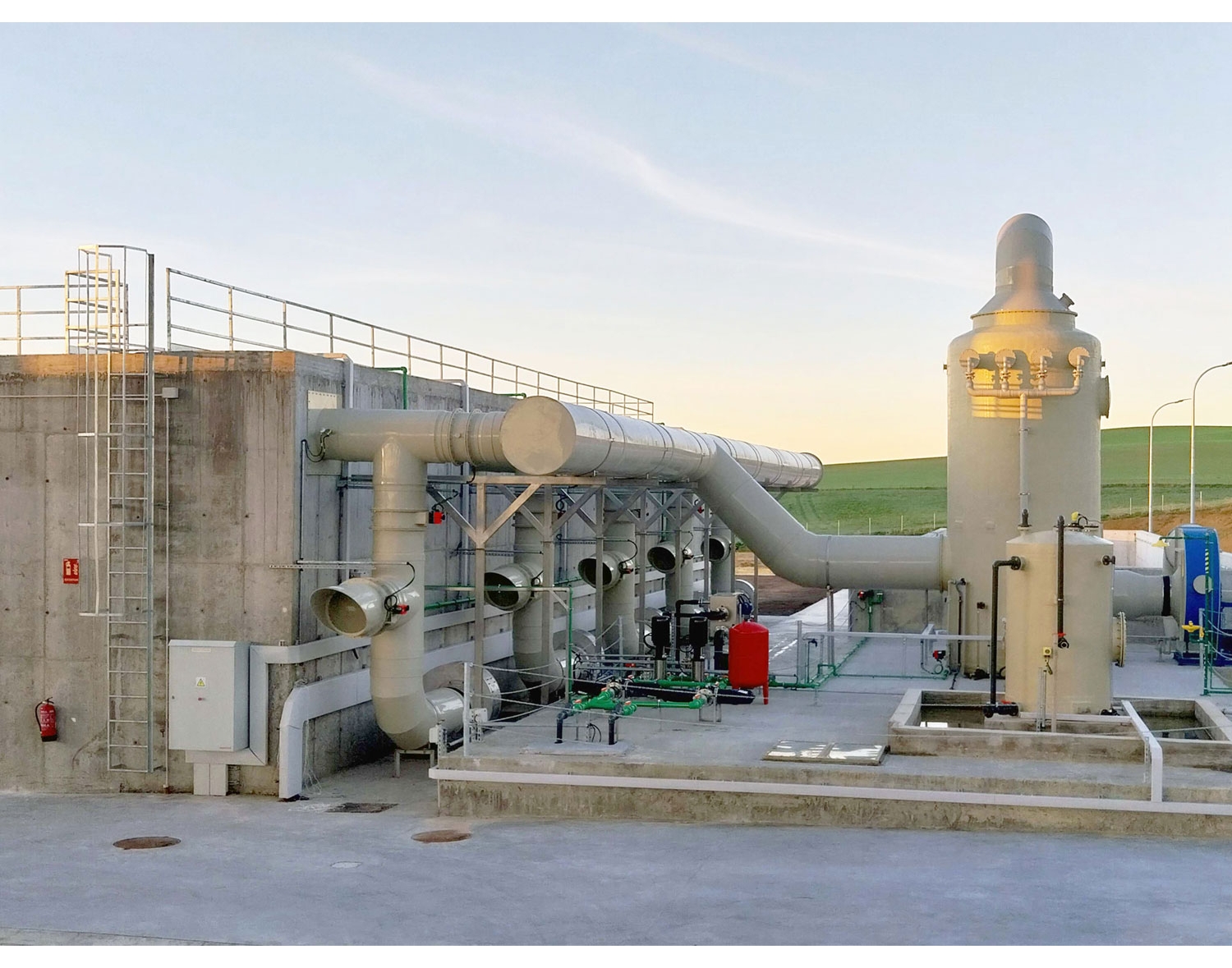
ECOTEC designs and manufactures biofilters for air pollution control. Air biofilters are a very efficient technology for the removal of odours and volatile organic compounds. / ECOTEC thiết kế và chế tạo các hệ thống lọc sinh học (biofilter) để kiểm soát ô nhiễm không khí. Bộ lọc sinh học cho không khí là một công nghệ hiệu quả cao trong việc loại bỏ mùi hôi và các hợp chất hữu cơ dễ bay hơi (VOC).
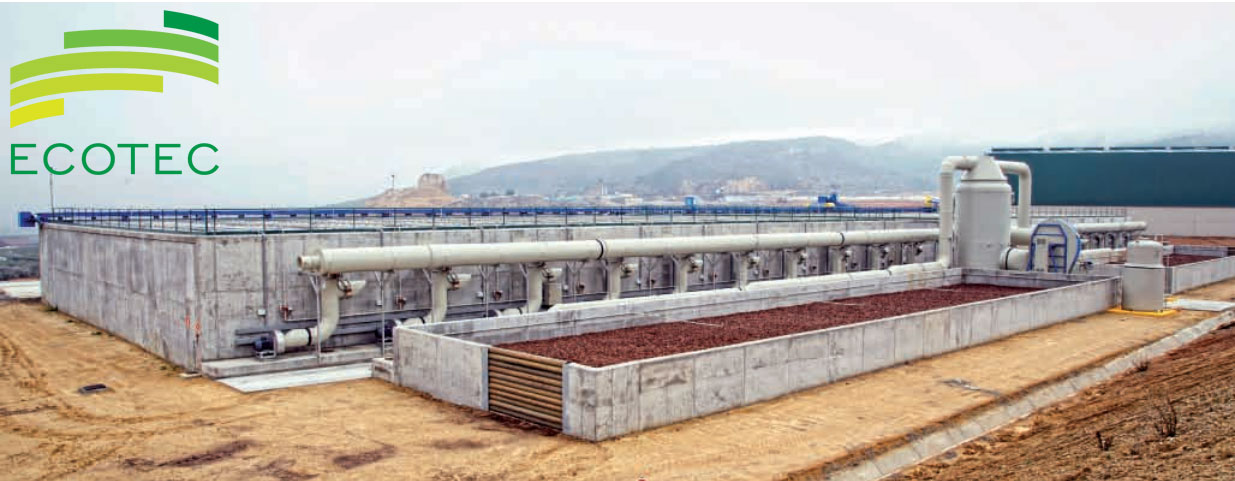
Biofiltration is a biological process used for the treatment of VOCs and inorganic compounds. Microorganisms are used for its application, subjecting the pollutants contained in the air to biological degradation. Biofilters are also one of the most widely-used technologies for odour treatment, due to their excellent effectiveness and their ease of use and maintenance. / Lọc sinh học (Biofiltration) là một quá trình sinh học được sử dụng để xử lý VOC và các hợp chất vô cơ. Trong quá trình này, vi sinh vật được sử dụng để phân hủy sinh học các chất ô nhiễm có trong không khí. Bộ lọc sinh học cũng là một trong những công nghệ phổ biến nhất để xử lý mùi, nhờ vào hiệu quả vượt trội cũng như sự đơn giản trong vận hành và bảo trì.
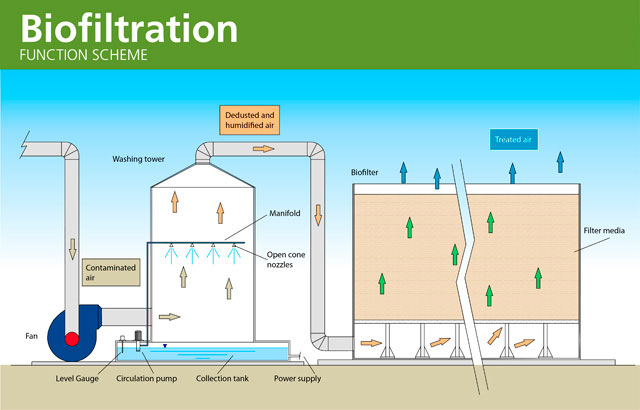
Biofiltration was ECOTEC’s first step into the biological treatment of air. This equipments use organic matter (kept at proper humidity) to allow microbial development which will provide absorption and degradation of odorous compounds. / Lọc sinh học là bước đi đầu tiên của ECOTEC trong xử lý sinh học không khí. Thiết bị này sử dụng vật liệu hữu cơ (được duy trì ở độ ẩm thích hợp) để tạo điều kiện cho vi sinh vật phát triển, từ đó hấp thụ và phân hủy các hợp chất gây mùi.
ECOTEC has designed and delivered several biofilters since the early 2000’s. Most of them are still operating with excellent performance values, reduced power consumption and low maintenance requirements. / Kể từ đầu những năm 2000, ECOTEC đã thiết kế và cung cấp nhiều hệ thống lọc sinh học. Hầu hết các hệ thống này đến nay vẫn đang vận hành với hiệu suất xuất sắc, mức tiêu thụ điện năng thấp và yêu cầu bảo trì tối thiểu. Các bộ lọc sinh học cũng có thể được lắp đặt như một bước xử lý tinh (in-line refinement) sau hệ thống biotrickling hoặc tháp rửa hóa học trong các ứng dụng có nồng độ chất ô nhiễm cao.
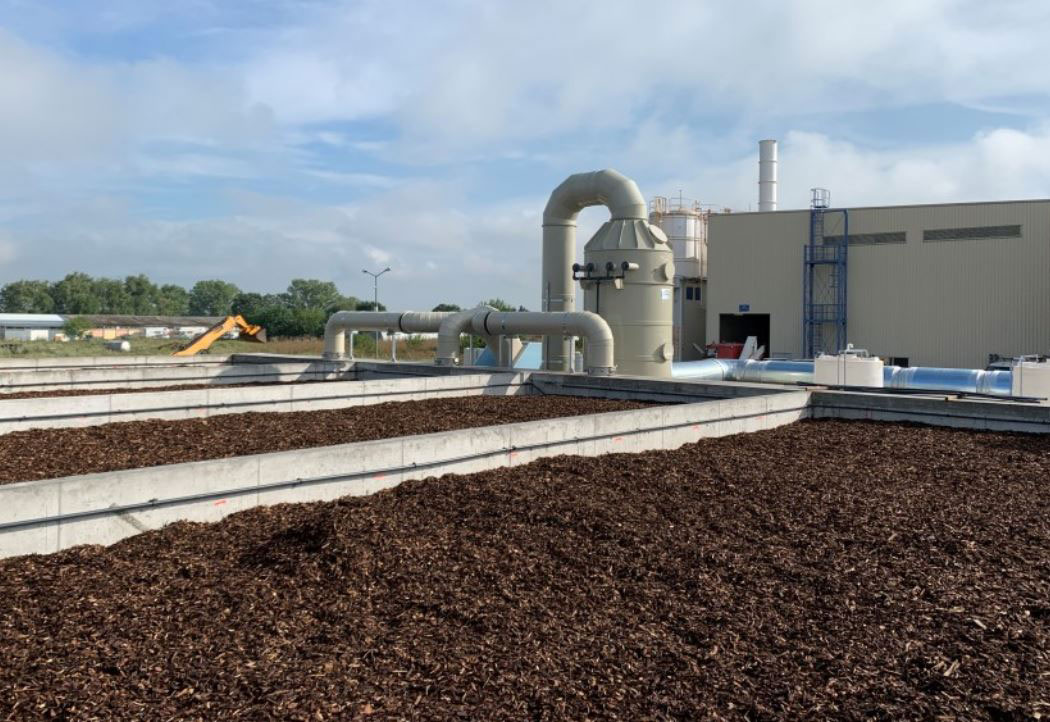
Biofilters can also be installed as an in-line refinement treatment after a biotrickling or chemical scrubber in applications with high pollutant concentrations / Có nhiều loại bộ lọc sinh học khác nhau, phổ biến nhất gồm:
There are different types of biofilters, with the most common being as follows: / Có nhiều loại bộ lọc sinh học khác nhau, phổ biến nhất gồm:
- Biofilters with a concrete structure / Bộ lọc sinh học với kết cấu bê tông
- Biofilters with a sandwich panel structure / Bộ lọc sinh học với kết cấu dạng tấm sandwich
- Biofilters with a stainless steel structure / Bộ lọc sinh học với kết cấu thép không gỉ
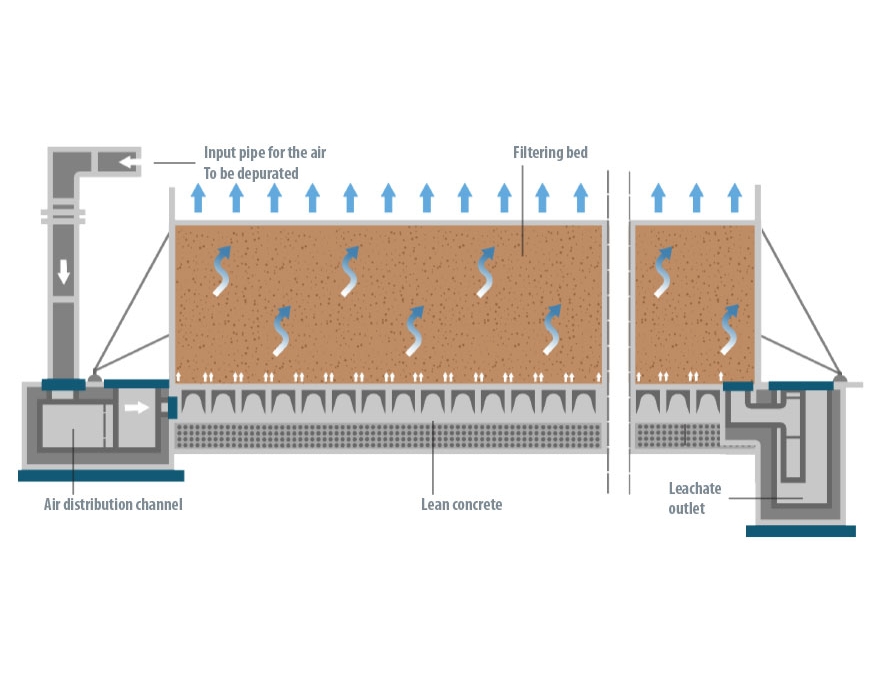
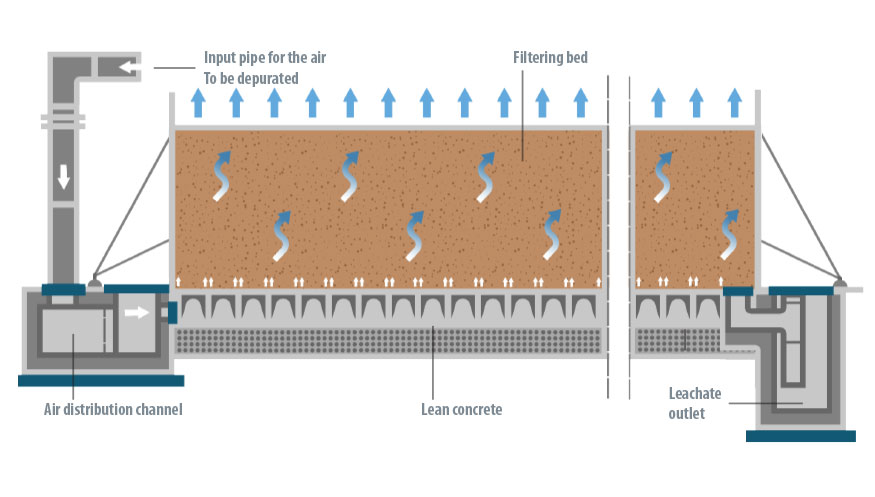
The operating principle of biofilters is based on the oxidation of polluting substances by the bacteria that live in the "biofilm", which are fed by the organic substances present in the air. / Nguyên lý hoạt động của bộ lọc sinh học dựa trên quá trình oxy hóa các chất ô nhiễm bởi vi khuẩn sống trong lớp “màng sinh học” (biofilm), được nuôi dưỡng nhờ các chất hữu cơ có trong không khí.
The air that enters the biofilter passes from the bottom to the top of the filter bed, which is composed of an organic base with a layer of "biofilm" containing the microorganisms that metabolise the pollutants in the air that is being treated. / Không khí đi vào bộ lọc sinh học theo hướng từ dưới lên trên qua lớp vật liệu lọc, vốn được cấu thành từ một nền hữu cơ có lớp màng sinh học chứa các vi sinh vật. Các vi sinh vật này sẽ chuyển hóa (phân giải) các chất ô nhiễm trong không khí đang được xử lý.
The optimal environment for bacterial activity is maintained by regular and controlled irrigation, which ensures the effectiveness of the process. / Môi trường tối ưu cho hoạt động của vi khuẩn được duy trì nhờ hệ thống tưới nước định kỳ và kiểm soát, đảm bảo hiệu quả của toàn bộ quá trình.
4. Advantages / Ưu điểm Công nghệ xử lý khí thải bằng biện pháp sinh học dBiox®
- High efficiency in H2S removal. / Hiệu quả cao trong việc loại bỏ H₂S
- Minimal consumption of reagents and water. / Tiêu thụ hóa chất và nước tối thiểu
- Low operating costs, which reduces the amortization period and allows for short-term. investment returns. / Chi phí vận hành thấp, giúp rút ngắn thời gian khấu hao và nhanh chóng thu hồi vốn đầu tư
- Zero waste generation. / Không phát sinh chất thải
- Capacity to treat high loads of pollutants. / Khả năng xử lý tải lượng ô nhiễm cao
- No biogas dilution. / Không làm loãng khí sinh học (biogas)